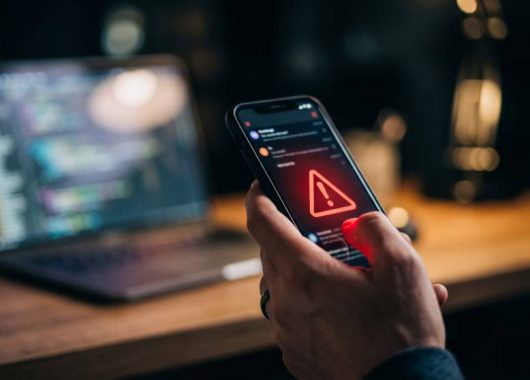
The CrashStealer was first observed in May, 2026 and is a type of information-stealing malware that explicitly targets Apple personal computers and laptops. Once a Mac system is infected, the malicious software appears on the user’s screen posing as a legitimate built-in crash-reporting tool. The code is meant to trick users into believing the crash is legitimate and to get them to cooperate with on-screen requests that involve sharing system passwords.
Key takeaways
- CrashStealer is a targeted macOS infostealer that impersonates Apple’s own tools.
- The malicious app spreads through social engineering via fake meeting apps.
- Even though Apple has addressed the issue, it remains an active threat and the perpetrators have not yet been arrested.
- Strong computer defense relies on a combination of antivirus, updates, and caution.
What does CrashStealer do once on a Mac?
It delivers a bogus crash request, prompting the user to input system passwords. Once the malware gets Apple Mac users to share sensitive keys, it transmits sensitive data to attackers, leading victims to believe the action is a legitimate system operation that simply requires administrator privileges. The stolen information usually consists of login credentials, financial information, documents, and even browser cookies. The hackers then use the stolen information to commit crimes.
How does the CrashStealer infect Macs?
The CrashStealer is installed on a person’s Mac after the computer owner downloads an infected app that appears to be a legitimate installer. Distribution often involves targeted calendar invites with PINs as well as fake video conferencing and meeting applications such as a fake app named ‘Werkbit’ (and similar ones like ‘zk-call’). The link in the invite prompts users to download a specialized “meeting app” to join the call. The app looks legit and is notarized by a fake developer. Once the app is installed, it mimics a native Apple crash-reporting tool and prompts for the system password. With those elevated rights, it can access the Keychain and steal all available sensitive information. It then sends it to an online database that bad actors can access and utilize.
How to defend against CrashStealer — is it still a threat?
Apple has banned the fake developer, but the perpetrators have not yet been arrested. It likely won’t take long to rebrand and find a new way in. Apart from having proper antivirus software that prevents malicious code from reaching a person’s system by blocking suspicious download links, keeping connected devices fully updated is one of the most important things users should do. Even though CrashStealer is not a security vulnerability that can be fixed with a patch, maintaining regular OS updates and having high-end antivirus software would have prevented users from getting infected.
Why is antivirus and regular updates a good combo?
When malicious code of any kind starts spreading, it is detected by anti-malware companies almost immediately, and it eventually ends up on the radar of companies such as Apple and Microsoft, which release security patches or ban the rogue developers behind it. Ensuring an operating system is fully up to date is as important as having adequate cyber protection installed on all connected devices. Hand in hand, antivirus software companies not only protect from malware, spam, and phishing attacks but also remind users to install OS updates, ensuring all smart devices are safe and secure.
Even though Windows machines get significantly more viruses than Apple computers and laptops, operating a Mac has its risks too. The recently discovered CrashStealer is a classic example of how bad guys can slip through regular OS security, and proper protection is not only advisable but necessary for safe operation.