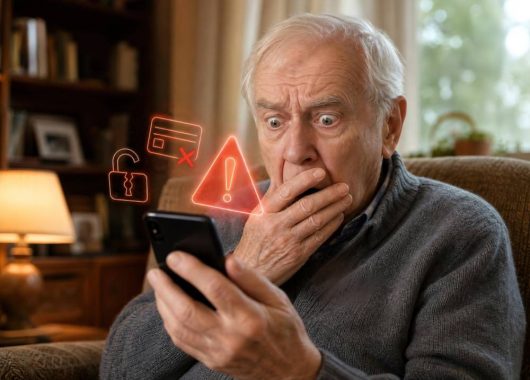
Starting university means setting up bank accounts, looking for work, and possibly finding a place to live. Scammers know students may be doing all of this for the first time. They also know that the beginning of the new academic year is hectic, so potential victims are more likely to miss some of the early warning signs that would normally alert them to danger.
Cyber criminals may copy the messages and artwork of familiar organizations or offer quick money to get your attention. This guide covers common student scams and simple ways to protect your digital identity and finances as you start your new life at university.
Even if you skip the rest of this article, here’s a top tip to better protect yourself: pause before you click, pay, or share personal information.
You can then check requests through a website, app, or phone number to verify everything is legitimate.
Which student scams should you watch for?
Fake jobs and “easy money”
A flexible job that fits around classes can sound ideal. Before applying, look up the employer independently and check that its contact details are genuine – has the email come from an official domain? Be wary if someone you have never met offers easy money or asks to move funds through your bank account.
Cifas, a leading anti-fraud advisory body in the UK, warns that criminals use fake job ads and social media to recruit students as “money mules”, people who transfer criminal funds for someone else. Anyone caught up in one of these scams could have their bank account closed and face difficulty accessing credit in future.
Messages that impersonate trusted organizations
An email (phishing) may appear to come from your university about a missed payment or an SMS text (smishing) may claim your bank needs you to verify your account. Treat every unexpected link or request for login codes with caution. Open the organization’s official app or type its website address yourself to check whether the request is real or whether scammers are impersonating a trusted brand.
Suspicious housing and payment requests
Finding accommodation can feel urgent, especially before classes begin. Do not let that urgency decide when you pay. Check the listing and the person offering the room before sending a deposit. If payment details change at the last minute, confirm the change using contact information you already trust.
How can you protect your accounts?
Your email account is especially important because it often controls password resets for other services. Your email account should have a unique password and you should turn on multifactor authentication to add an extra layer of security. Use unique passwords for banking and university accounts too, and keep your phone and apps updated.
If you have problems creating and memorizing secure passwords, consider using Panda Dome Password Manager to simplify and strengthen security.
Be selective about the personal details you post publicly on social media or anywhere else. Information about where you live, your schedule, or your student ID could make an impersonation attempt more convincing, allowing scammers to steal your identity.
Your settling-in checklist
Here’s how to better protect yourself as you settle into university life:
- Save your bank’s official contact number in your phone so you can reach it quickly if required.
- Turn on multifactor authentication for email, banking, and university accounts.
- Install anti-malware like Panda Dome on all your devices and keep it updated to further reduce the risk of compromise.
- Check employers through their official websites before sharing documents.
- Never accept a job that asks you to receive and forward money.
- Verify housing listings and payment instructions before sending a deposit.
- Review bank transactions regularly and question payments you do not recognize.
What if you think you’ve been scammed?
Stop communicating with the sender immediately. If you shared a password, change it immediately and secure any accounts that use it. If you sent money or revealed banking details, contact your bank as soon as possible to get advice from their anti-fraud department. The key is to act quickly to help contain and minimize potential damage.
This checklist will help you get started at university quickly and safely. If you’d like to learn more about cyber risks and how to protect yourself, take a look at the Panda Security mediacenter.