 Panda Security
Illegal streaming and digital piracy have surged dramatically. Visits to illegal streaming website climbing from 130 billion in 2020 to 216 billion by 2024. That’s a 66% increase in just four years – and the rates continue to climb.
This unprecedented growth signals a broader crisis affecting content creators, legitimate platforms, and the global entertainment industry. Rising subscription costs, fragmented streaming services and unmet content demand drive users toward illegal alternatives. However, accessing copyrighted material through unlicensed platforms carries severe legal, financial and cybersecurity risks that many people often overlook.
Why piracy is making a comeback
Economic pressure and user frustration are causing the resurgence of illegal streaming. Streaming service prices have escalated dramatically, with some platforms now exceeding $30 monthly.
Worse still, services have fragmented considerably. To access all of the most popular TV shows and sports events requires subscription to multiple services. This subscription sprawl forces consumers to choose between paying hundreds of dollars annually for fragmented content access or turning to illegal alternatives that offer comprehensive libraries at minimal cost.
Unlicensed IPTV services capitalize on people’s frustration by providing thousands of channels for a fraction of legitimate pricing. Some of these services even provide customer support and professional interfaces that rival legal providers.
Beyond cost, illegal streaming sites exploit genuine gaps in the legitimate ecosystem. Some content remains unavailable through legal channels due to regional licensing restrictions or removal from platforms. Additionally, certain illegal services offer superior sound quality or faster content availability, including recently aired episodes sometimes within hours of broadcast.
For younger people these perceived advantages often outweigh legal considerations.
The scale and scope of illegal streaming
The scope of piracy today is staggering. Illegal streaming now accounts for over 96% of all TV and film piracy activities globally, with pirated video content generating over 230 billion views each year.
Annually, digital video piracy costs the US economy between $29.2 and $71 billion each year, with 126.7 billion viewings of US-produced television episodes pirated. It is wrong to think of these as victimless crimes – they represent lost revenue for content creators, production companies and legitimate streaming platforms.
Ultimately, this is money that streaming companies cannot reinvest into producing more much-watch TV and events.
Legal risks and criminal penalties
While many consumers assume illegal streaming is a gray legal area, the law has increasingly caught up with piracy operations. In the USA, the Protecting Lawful Streaming Act (PLSA) transformed illegal streaming from a misdemeanor to a felony for operators acting for commercial gain. The government targets large-scale providers with this federal legislation, imposing penalties of up to 10 years imprisonment and substantial fines.
In a landmark 2025 case, five men from Las Vegas were sentenced for operating Jetflicks, an illegal streaming service that hosted 183,000+ pirated TV episodes. Sentences ranged from time served to seven years in federal prison, with the government conservatively estimating copyright damage at $37.5 million. The United States has prosecuted this as the largest internet piracy trial ever.
While the PLSA primarily targets operators of pirate TV websites, individual users could still find themselves in trouble with the law. Copyright holders increasingly pursue civil action against repeat infringers, and ISPs are legally obliged to forward copyright infringement notices to account holders. People who violate copyright law on multiple occasions may have their internet account suspended or terminated.
Copyright law is being strengthened globally too. An Irish High Court ordered €480,000 in damages against an illegal streaming operator in October 2025.
Cybersecurity threats beyond legal consequences
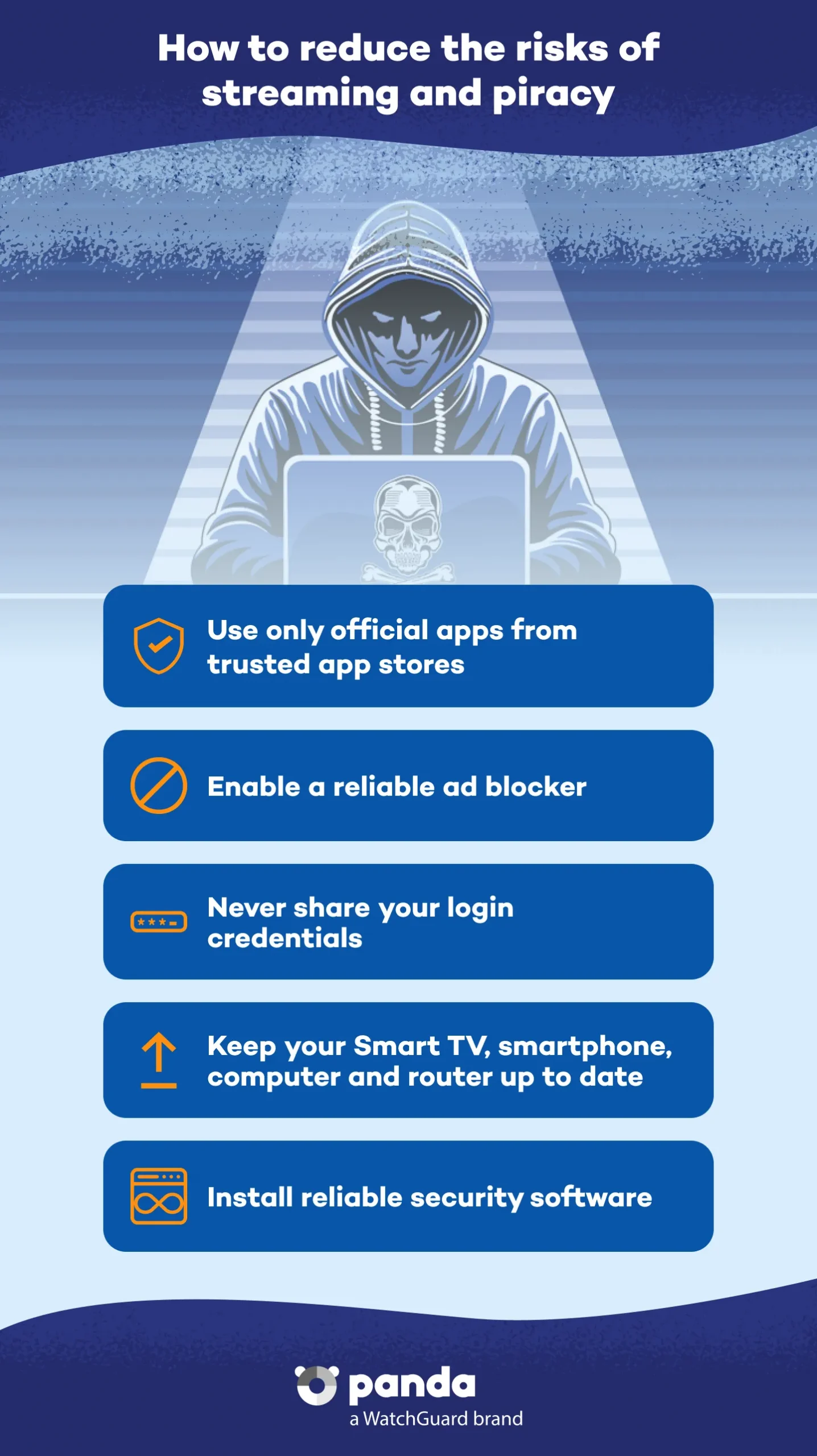
Beyond legal trouble, illegal streaming platforms pose severe cybersecurity risks. Many sites are laden with malware, ransomware and spyware that can compromise devices and home networks. Simply clicking a play button can expose users to credential theft, identity fraud and remote device hijacking. Interpol’s investigations have uncovered links between piracy networks and organized crime, including money laundering and DDoS attack operations.
The blurred line between legitimate and illegal IPTV services makes users particularly vulnerable. Authorities worldwide have seized devices like “dodgy boxes” (preloaded with unauthorized streaming apps), with operators facing criminal charges and imprisonment.
Conclusion
While subscription fatigue undeniably drives piracy’s resurgence, the legal, financial, and security consequences are increasingly severe. Federal enforcement efforts, international court rulings and escalating criminal penalties make operating or patronizing illegal streaming services a genuine risk.
As copyright holders like Sky TV and Netflix strengthen enforcement mechanisms and governments enact stricter legislation, consumers face a choice: navigate the complex subscription ecosystem or face potential fines, ISP account termination, and malware exposure. In an era where streaming options are more abundant than ever, the short-term savings from illegal platforms are quickly outweighed by the long-term consequences.