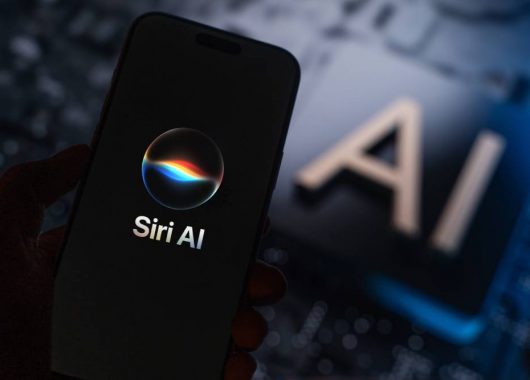
Artificial Intelligence is impacting almost every aspect of people’s lives, and it is no surprise that it is also affecting how smart homes operate. Popular smart home assistants such as Alexa and Gemini are receiving AI boosts and are already having a significant impact on smart home functionalities. Key impacts include predictive energy management, proactive deterrence of cybersecurity threats, and overall property management. Samsung’s SmartThings app also relies heavily on AI to automate, personalize, and optimize people’s smart home experience. However, even as convenience and savings are taking shape, the inclusion of AI in smart homes also presents a new kind of security challenge that cybercriminals could exploit.
Key Takeaways
- Artificial Intelligence is significantly impacting how smart homes operate, with major home assistants receiving strong AI upgrades, often hidden behind a paywall.
- Major positive impacts include efficiency, convenience, and optimization.
- Even non-paid assistants now support more natural conversations, act as the “intelligent nerve center” of the house, and allow hands-free control, thanks to AI.
- AI enhances security by being proactive and monitoring around the clock, but its connectivity also introduces new security and privacy risks.
How is AI positively impacting smart homes?
All popular smart home assistants have heavily adopted AI to improve their service offerings. Google’s Gemini powers advanced features on devices such as Google Nest and Google Home, making the assistant sound more intelligent and improving the quality of interactions. Conversations feel more natural, and systems start acting even smarter. The Nest thermostat monitors daily routines and can adjust temperatures based on room occupancy, helping lower utility bills. The same goes for Amazon’s Alexa, which also aims to serve as the intelligent hub of the home.
AI assistants offer deep integration across many smart devices in the home, providing additional conveniences. People no longer have to use a smartphone to turn off bedroom smart lights; they can tell their home assistant of choice to turn them off or set them to a desired level. Samsung’s SmartThings platform also successfully deploys AI to control appliances and even optimizes them to reduce utility bills, thereby extending their lifespans. The positive impact is evident, and AI plays a massive role when users ask their smart home assistant for help, such as getting the Roomba to vacuum the living room.
Are AI-powered smart home assistants making smart homes more secure?
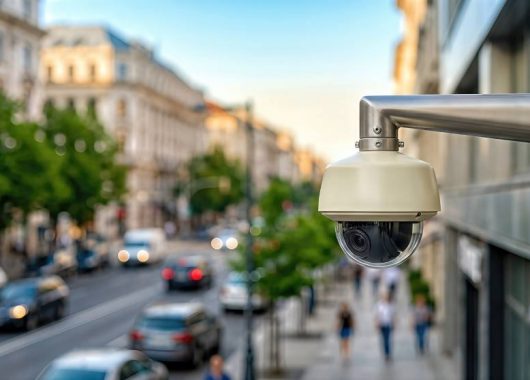
Yes, but with a caveat. AI is indeed making smart homes more proactive at detecting and deterring attacks. Still, with the widespread adoption of AI-enabled devices, intelligent appliances also open the door to potential security issues. While a few years ago it was all about recording and manually reviewing any suspicious behavior, companies are now offering real-time AI monitoring that flags unusual actions within the home itself or on the home network. These can appear as an unknown device on the home network, unusual traffic, or an actual burglary. A garage door might be closed by AI if the virtual assistant suspects the owner is away, or it can alert the property owner if someone is in the backyard.
AI-enabled assistants are changing how smart homes run. The most modern advancements are still not widely accessible, as companies often hide them behind paid subscriptions, but they have certainly arrived. AI agents can serve a valuable purpose simply by being smarter and offering security benefits. Still, the convenience of smart home devices also comes with privacy trade-offs and creates opportunities for hackers to exploit.