Artificial intelligence is changing cybercrime fast, and the impact is no longer limited to large companies or banks. As attackers use AI to uncover weaknesses, automate scams, and adapt malware more quickly, home users need better protection than ever.
This article explains what is changing, why it matters for everyday people, and how modern antimalware can help keep personal devices and online accounts safer.
Key takeaways
- The new Mythos model has identified thousands of previously unknown security flaws in major banking systems
- AI is making easier for cybercriminals to launch successful cyberattacks at scale
- Home users are also at risk from AI attacks – but AI also provides powerful tools to defend themselves
- AI powered antimalware is a key aspect of effective cybersecurity defenses.
Why this matters now
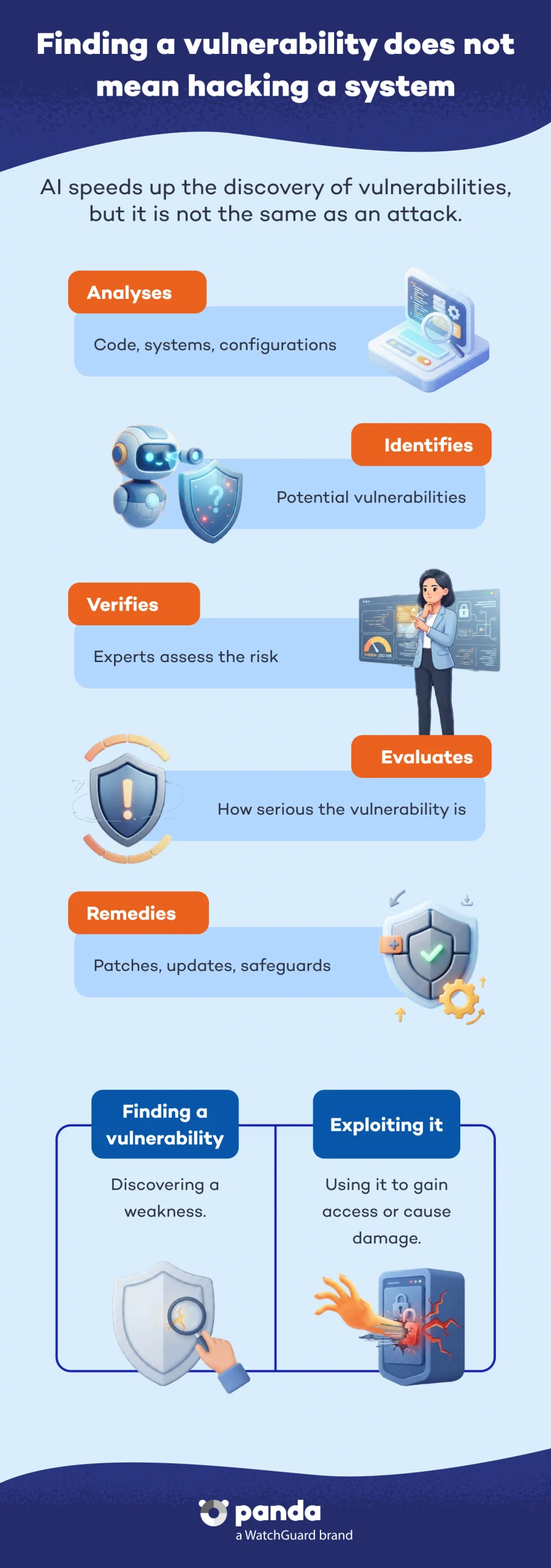
A recent report published in the Financial Times details some startling discoveries from Anthropic’s new AI model, Claude Mythos. One of the new features of Mythos is the ability to autonomously scan computer systems to detect previously unknown security issues.
During testing, Mythos uncovered thousands of new ‘zero day’ flaws in banks, browsers and financial systems – some of which were decades old. Because Mythos was able to discover, and potentially exploit, each one of these security risks, the AI model will not be publicly released for the moment.
Banks and financial firms invest heavily in cybersecurity defenses to meet their legal and regulatory obligations. The fact that Mythos was able to discover issues that have been present for many years is a significant concern.
Why this matters to consumers
For home users, the practical risk is not just that their bank might be targeted by AI-enabled cybercriminals. It is that the same techniques used against financial systems can trickle down into phishing, account takeovers, malware, and ransomware aimed at individuals.
As cybercrime becomes more automated, attackers can test more ideas, adapt faster, and exploit older software or weak security habits at scale.
How modern antimalware protects you against AI attacks
Antimalware like Panda Dome uses AI-driven detection, cloud-based analysis, and behavior monitoring to protect home users:
- AI-driven detection helps identify suspicious patterns that do not match known threats.
- Cloud-based analysis compares activity against a wider network of threat intelligence, which makes it easier to spot new or fast-changing malware.
- Behavior monitoring watches for unusual actions on your computer, such as file encryption, privilege escalation, or unexpected connections to remote servers.
Together, these three features create a more adaptive security layer. Instead of waiting for a known virus signature, the software can identify and block dangerous actions in real time. That is especially valuable when attackers are using AI to create new variants that may look harmless at first glance.
For home users, this kind of protection is practical rather than optional. It can help block malicious downloads, stop suspicious processes, and warn users before a threat spreads. In a cyber landscape where attackers are getting smarter, security software responds just as intelligently.
Antimalware is just one part of your defenses
Security tools work best when paired with basic good habits. Your devices should be kept up to date, passwords should be unique, and multi-factor authentication should be enabled wherever possible. A proper password manager can simplify this.
Be cautious with messages that create urgency, because scammers often rely on pressure to make victims act before thinking. This applies to any message you receive – including email, SMS and social media DMs.
It is also wise to back up important files regularly. If ransomware or destructive malware ever gets through, a recent backup can reduce the damage and make recovery much easier.
AI is simultaneously increasing and decreasing risk
AI is making cyberattacks more advanced, but it is also changing what effective defense looks like. For home users, the answer is a layered approach: smart habits, strong account protection, regular updates, and antimalware built to detect threats using AI-driven detection, cloud-based analysis, and behavior monitoring. That combination gives everyday users a much better chance of stopping attacks before they become costly problems.